
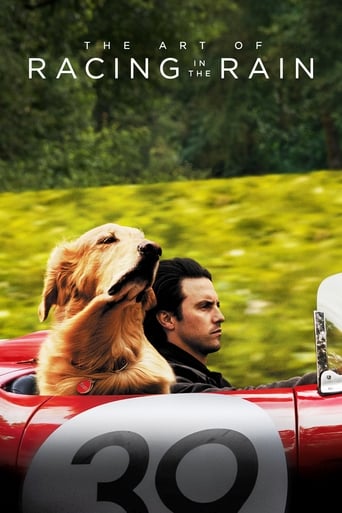
 The Art of Racing in the Rain81% 2019
Flixer
170 romances and dramas, each with its cast, its director and a Watch now button.
Top 10 on Flixer
Explore all (37) ›

Romance
Explore all (112) ›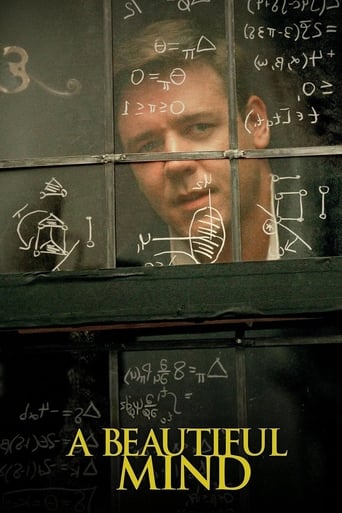
Drama
Explore all (120) ›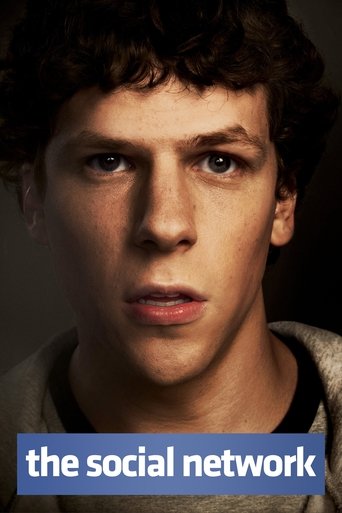


Romantic comedy
Explore all (78) › The Kissing Booth 276% 2020
 High School Musical65% 2006
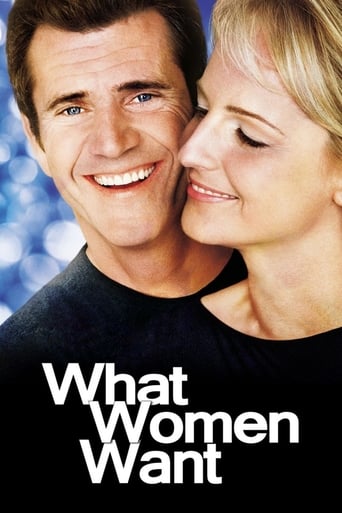 What Women Want65% 2000
 The Fall Guy69% 2024
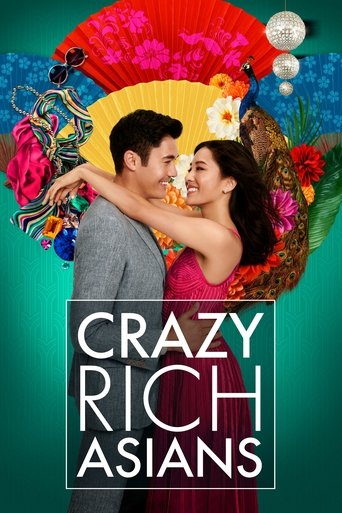 Crazy Rich Asians70% 2018
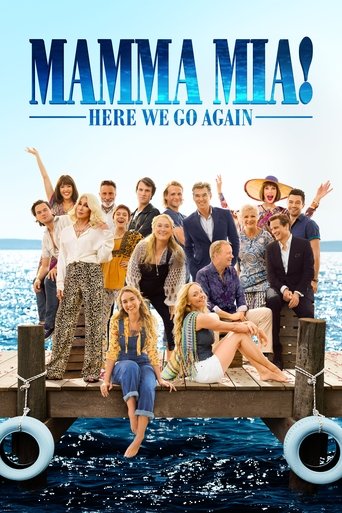 Mamma Mia! Here We Go Again71% 2018
 27 Dresses65% 2008
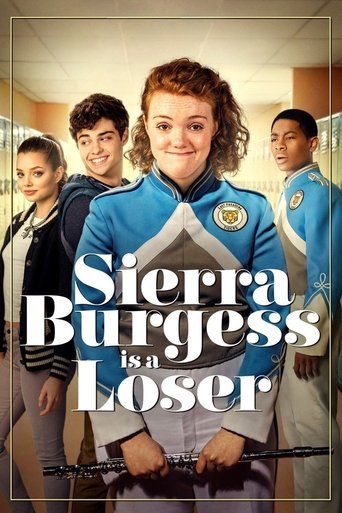 Sierra Burgess Is a Loser63% 2018
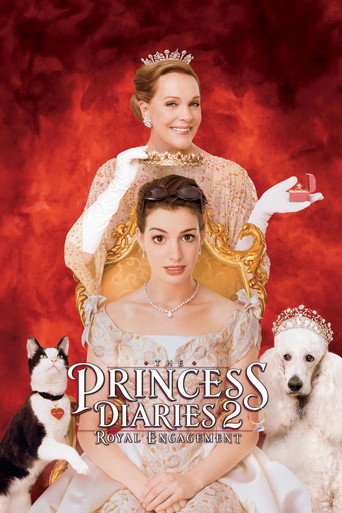 The Princess Diaries 2: Royal Engagement67% 2004
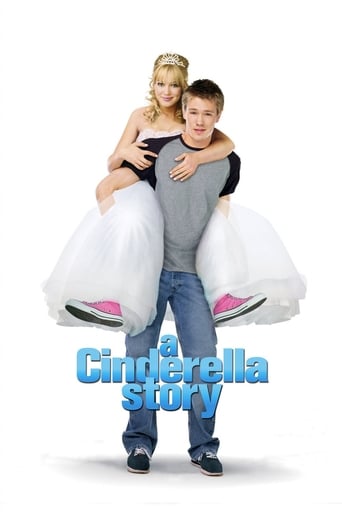 A Cinderella Story66% 2004
 The Perfect Date64% 2019
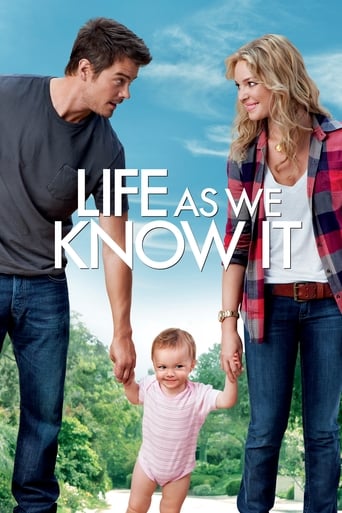 Life As We Know It69% 2010
True stories
Explore all (30) ›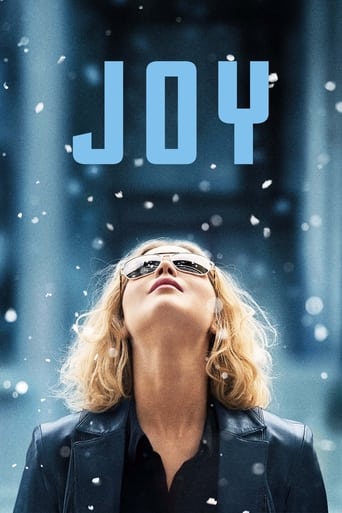

Music
Explore all (27) ›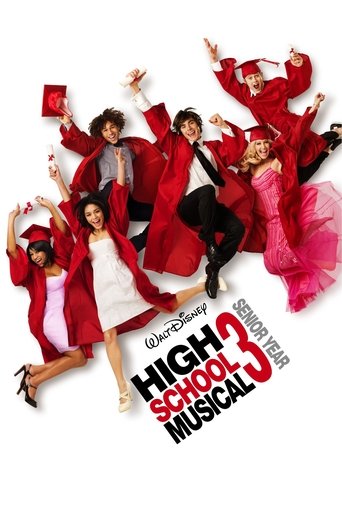

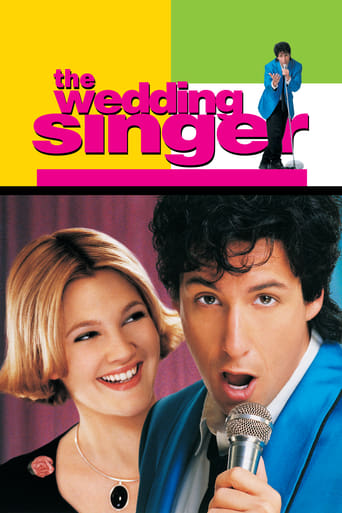
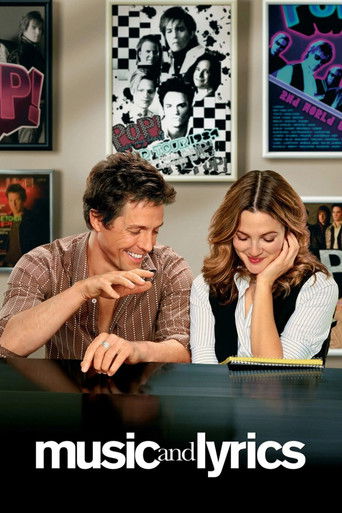
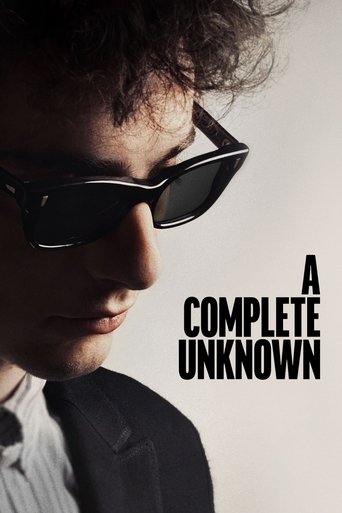
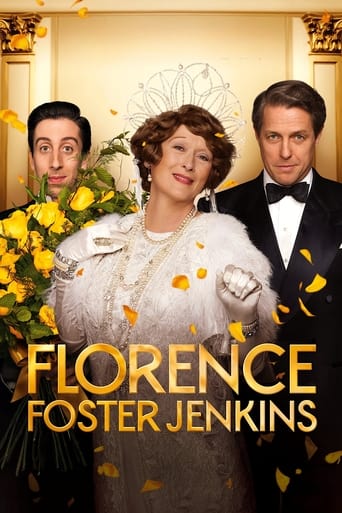
Young love
Explore all (38) ›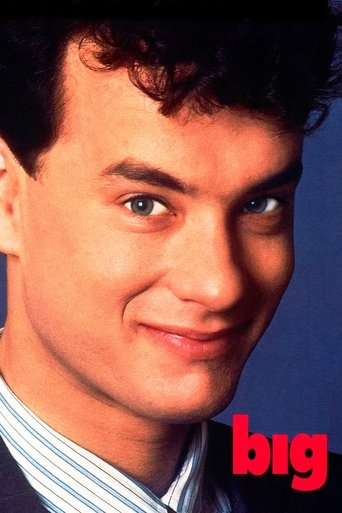




Classics
Explore all (15) ›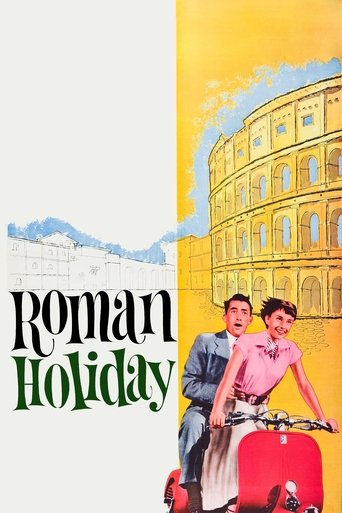
New this decade
Explore all (16) ›



The Flixer guide to romance and drama
Flixer: romance and drama movies from Roman Holiday, Notting Hill and Before Sunrise to Past Lives, CODA and A Beautiful Mind
Some films are remembered for what happens in them, and some for how they made an audience feel. The second kind is the subject of Flixer. Here are the love stories people watch every winter, the dramas that send viewers out of the room a little more hopeful, the true stories that deserve to be better known, and the musicals that turn feeling into song. The guide gathers 170 romances and dramas released between 1941 and 2025 and gives each one a page with its cast, its director, a short summary and a button that leads to the official services where it can be watched.
The shelves are arranged by the kind of feeling on offer. A hundred and twelve films are romances and a hundred and twenty are dramas, with a good many belonging to both. Seventy-eight are romantic comedies. Thirty are drawn from real lives, twenty-seven are carried by music, thirty-eight tell of young love and twenty-three lead towards a wedding. Forty-one began as a novel, a play or a memoir, and forty-five take their characters on a journey. By period, fifteen films date from before 1990, sixteen from the 1990s, forty-six from the 2000s, seventy-seven from the 2010s and sixteen from the present decade. Together they run for a little over 310 hours.
The Watch now button opens JustWatch for the country you choose and shows the subscription, rental, purchase and free services that carry the film there. Flixer itself is a guide: it describes, sorts and points the way. The how to watch page sets out the steps.
Why romance and drama belong together
The two genres are usually shelved apart, yet they share a purpose. Both ask an audience to care about what goes on inside other people. A romance does it by making two characters matter to each other; a drama does it by placing a character at a turning point and watching what he or she decides. The best films on Flixer do both at once. Roman Holiday is a comedy and a love story, and its final scene is as fine a piece of drama as Hollywood ever filmed. CODA is a family drama with a first romance tucked inside it.
The selection favours warmth. These are films about people who are mostly trying to do right, in stories that end with something gained. There is sadness in some of them, as there is in any honest account of love or ambition, but it is the kind that leaves a viewer feeling larger. That makes the catalogue well suited to an evening shared between generations or between friends.
The range in time is deliberate too. Orson Welles made Citizen Kane in 1941, and Celine Song made Past Lives in 2023. Seen side by side, they show how much the language of film has changed and how little its interests have: both are about the road a life could have taken.
Six films to begin with
The home page features six titles. Roman Holiday, from 1953, introduced Audrey Hepburn to the world as a young princess who escapes her schedule for one day in Rome, with Gregory Peck as the reporter who recognises her and keeps the secret. William Wyler shot it on the city's streets, and Hepburn won the Academy Award. Notting Hill, from 1999, reverses the story: an ordinary London bookseller, played by Hugh Grant, falls for the most famous actress in the world, played by Julia Roberts, and has to cope with her fame.
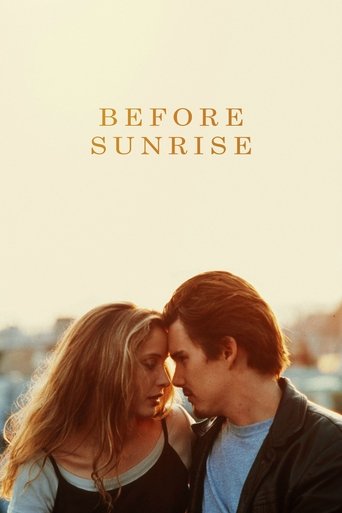
Before Sunrise, from 1995, follows an American and a French student who meet on a train and spend one night walking through Vienna. Richard Linklater's film consists almost entirely of conversation, and Ethan Hawke and Julie Delpy make it feel like eavesdropping on the start of something real. Past Lives carries a similar idea across twenty-four years and two continents: two childhood friends from Seoul are reunited in New York, where one of them has built a life and a marriage.
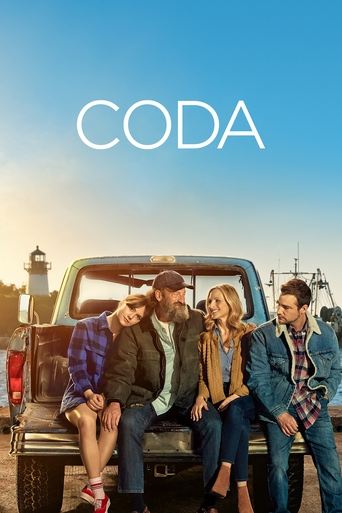
CODA, which won the Academy Award for best picture in 2022, tells of Ruby, the only hearing member of a deaf fishing family in Massachusetts, who discovers a talent for singing and has to weigh her own future against the family's need for her. A Beautiful Mind, Ron Howard's portrait of the mathematician John Nash, won the same award twenty years earlier; Russell Crowe plays Nash, and Jennifer Connelly is the wife whose loyalty sees him through a long illness to a Nobel Prize.
Love stories
A hundred and twelve films are romances, and they come in several tempers. The first is the romance of a single meeting. Besides the Linklater films there is Serendipity, in which two strangers reach for the same pair of gloves and decide to let fate arrange a second encounter, and While You Were Sleeping, where a lonely ticket clerk is welcomed by the family of a man she has only admired from a distance.
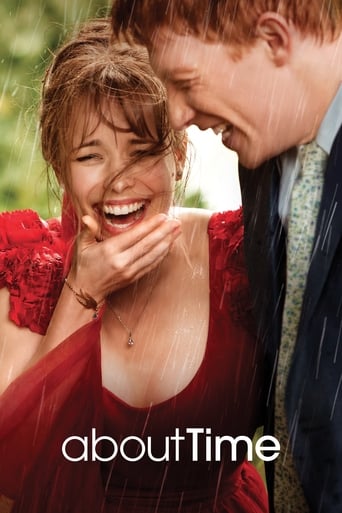
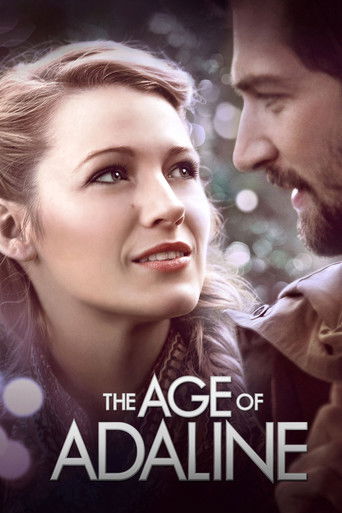
The second is the romance that plays with time. In About Time, a young man learns that he can revisit moments of his own life and uses the gift, sensibly, to get a first date right. The Age of Adaline follows a woman who has remained twenty-nine for most of a century, The Lake House lets two tenants of one house exchange letters across two years, and The Time Traveler's Wife builds a marriage around a husband who arrives and departs unannounced. Kate & Leopold and When We First Met treat the same idea lightly.
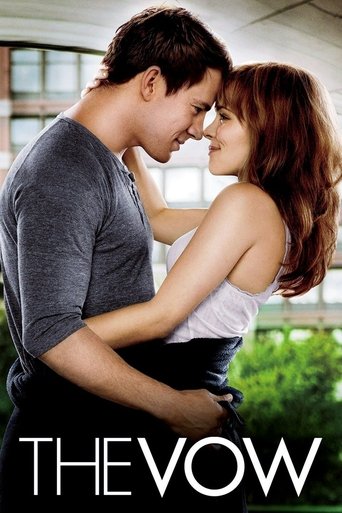
The third is the grand romance, usually from a bestselling novel. The Vow is based on a couple who had to fall in love a second time after an accident. The Longest Ride and The Best of Me come from Nicholas Sparks, One Day visits the same two friends on the same date for twenty years, Water for Elephants runs away with a Depression-era circus, and Far from the Madding Crowd gives Thomas Hardy's independent heroine three very different suitors. The romance page sorts the shelf by mood.
Romantic comedy
Seventy-eight films add laughter to the love story. London has been the capital of the form since Four Weddings and a Funeral in 1994, and Notting Hill, About a Boy, Music and Lyrics and Wimbledon, in which a fading tennis player finds his form after meeting a rising star, all carry the same blend of wit and reserve. Man Up is a more recent London comedy built on a blind date kept by the wrong woman.
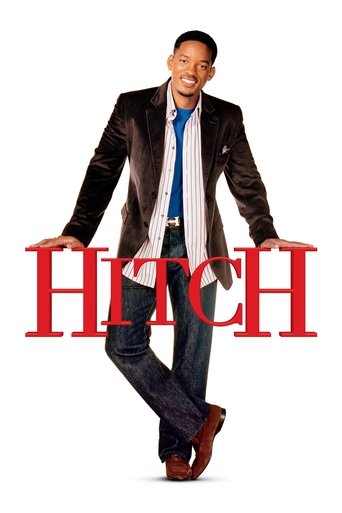
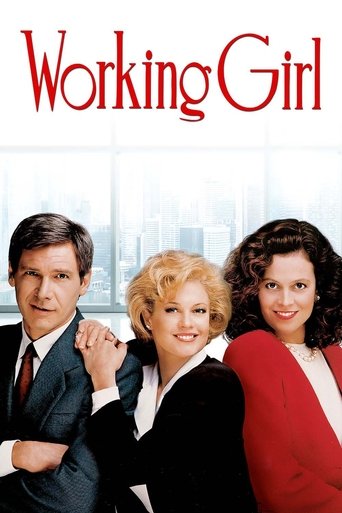
New York has its own tradition. Breakfast at Tiffany's belongs to it, and so does Working Girl, Mike Nichols's story of a secretary from Staten Island who seizes her chance in a Wall Street office, with Melanie Griffith, Harrison Ford and Sigourney Weaver. Hitch makes a business of first impressions, Maid in Manhattan crosses the line between hotel staff and hotel guest, and The Nanny Diaries and Second Act follow two women who find their footing in the city.
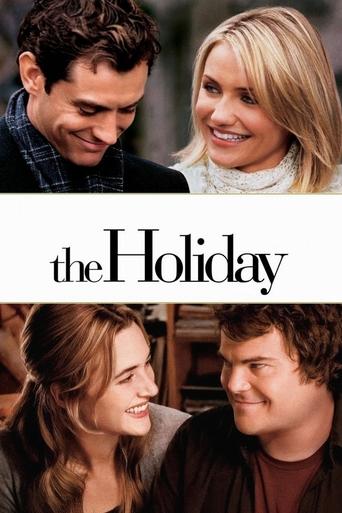
Many of the best are about starting again. Reese Witherspoon returns to the town she left in Sweet Home Alabama and takes in three young lodgers in Home Again. Tom Hanks and Julia Roberts meet at a community college in Larry Crowne. The Holiday swaps two homes and two heartaches at Christmas, Crazy Rich Asians tests a relationship against a formidable family in Singapore, and Love Hard discovers that the man behind an online profile is real in every way except his photograph. The romantic comedy page arranges the shelf by city.
Drama
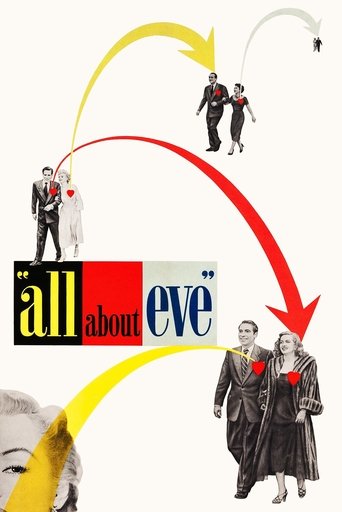
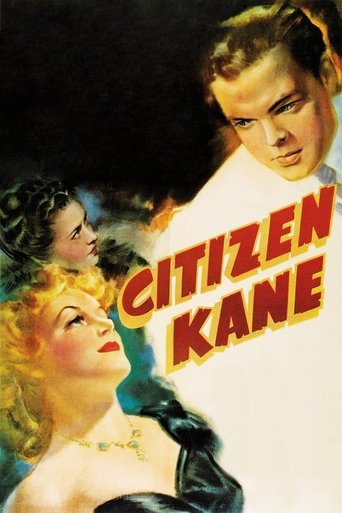
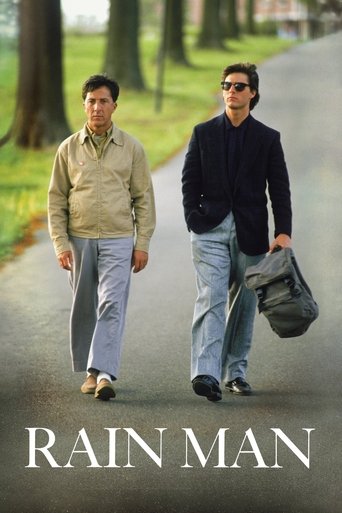
A hundred and twenty films are dramas, and the strongest are portraits. Rain Man sends a self-absorbed car dealer, played by Tom Cruise, across America with the brother he has only just learned he has; Dustin Hoffman's performance won an Academy Award, as did the film. Citizen Kane assembles a newspaper magnate from the recollections of five people who thought they knew him. All About Eve watches a great stage actress, played by Bette Davis, realise what her devoted young assistant really wants.
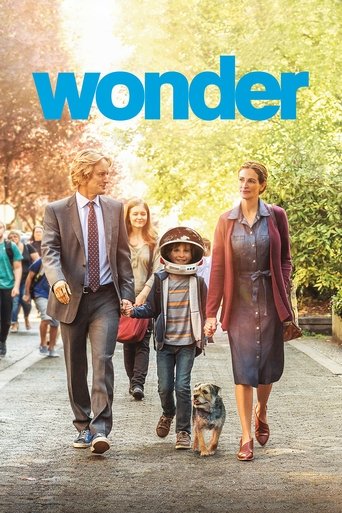
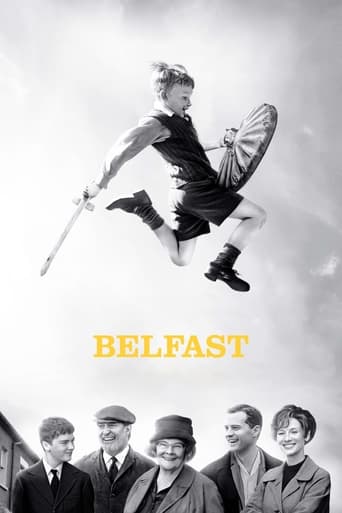
Family is the great subject of recent drama. Wonder gives each member of Auggie Pullman's household a chapter. Little Miss Sunshine finds the bond in a family that seems to have little else, and Belfast remembers a childhood street through the eyes of a nine-year-old. The Family Stone gathers grown children for Christmas with their mother, played by Diane Keaton, and Downton Abbey brings a whole household, upstairs and downstairs, together for a royal visit.
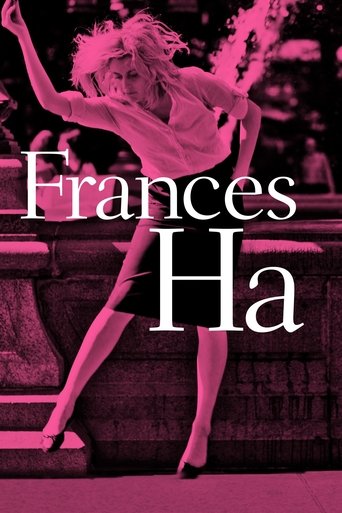
Others follow one person towards a decision. Up in the Air rides along with a consultant whose life fits in a carry-on bag. The Way Way Back and The Kings of Summer give teenage boys a season of independence. Frances Ha and Paterson are small, graceful films about a dancer and a bus driver who writes poems, and Nebraska is a road trip in black and white that lets a son finally see his father clearly. The drama page groups them by theme.
True stories
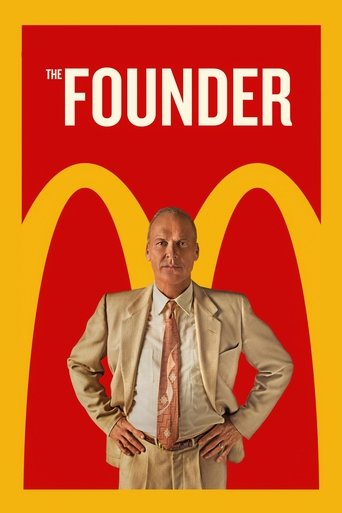
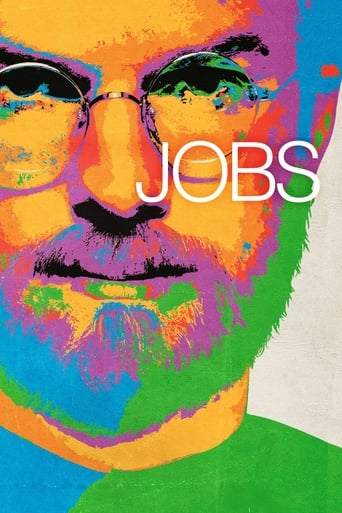
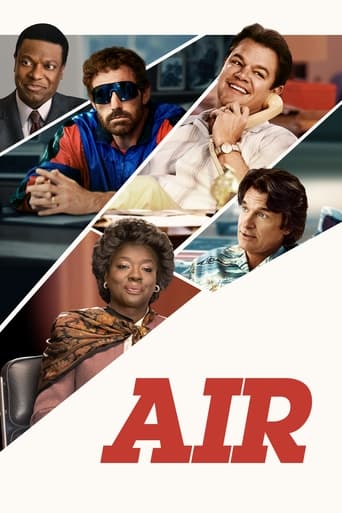
Thirty films are drawn from real lives. Several are about people who built something. The Social Network recounts the founding of a website that changed how people keep in touch, in a rush of dialogue by Aaron Sorkin. Steve Jobs and Jobs offer two portraits of one inventor. The Founder shows how a milkshake-machine salesman turned a small burger stand into a global chain, Joy follows the woman who patented a self-wringing mop, and Air tells how a shoe company bet its future on a young basketball player.
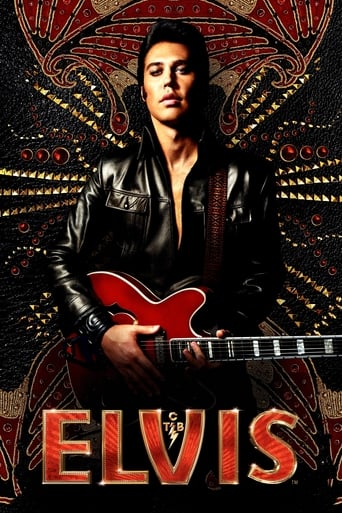
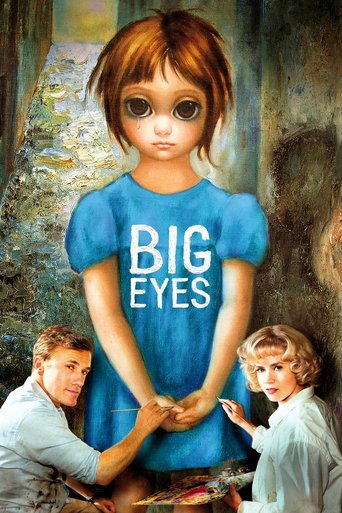
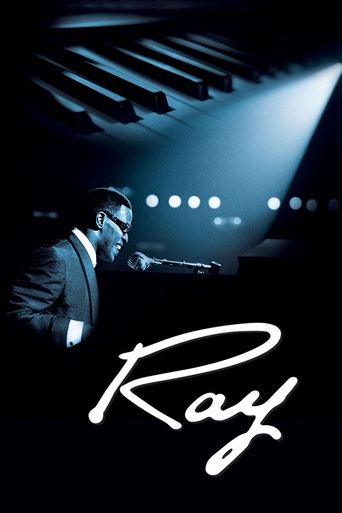
Artists have inspired some of the richest. Ray and Elvis follow two giants of American music, Selena celebrates the Texan singer who brought Tejano music to a vast audience, with Jennifer Lopez in the title role, and A Complete Unknown watches the young Bob Dylan arrive in New York with a guitar. Big Eyes reveals the painter behind a husband's famous signature, Hitchcock shows a great director gambling on a risky project with his wife at his side, and Stan & Ollie accompanies Laurel and Hardy on their final tour of British theatres.
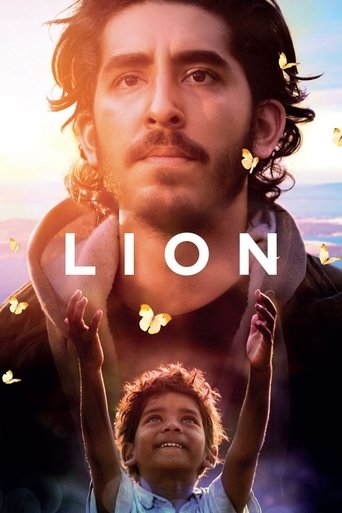
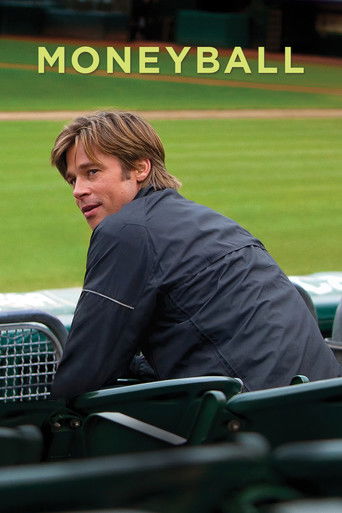
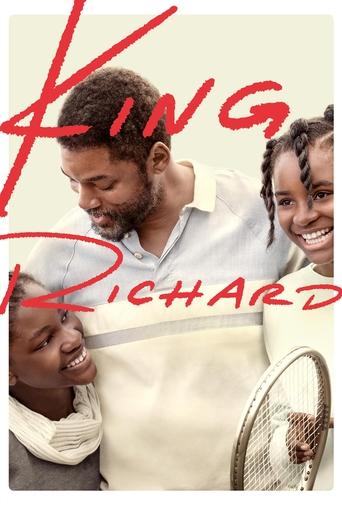
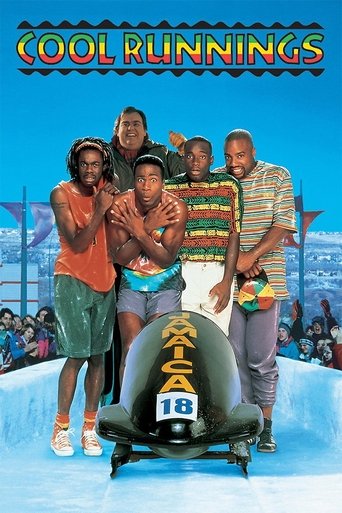
Scholars and sportsmen are here too. The Man Who Knew Infinity brings the self-taught Indian mathematician Ramanujan to Cambridge. Moneyball changes baseball with a spreadsheet, King Richard raises two tennis champions on public courts, and Cool Runnings and Eddie the Eagle reach the same Winter Games by very different routes. Lion and The Boy Who Harnessed the Wind tell of a lost child finding home and a schoolboy saving his village's harvest. The true stories page lists them by field.
Music and musicals
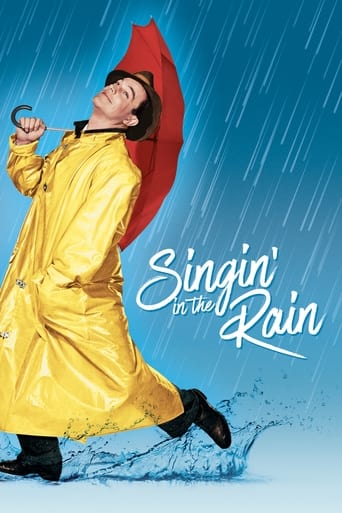
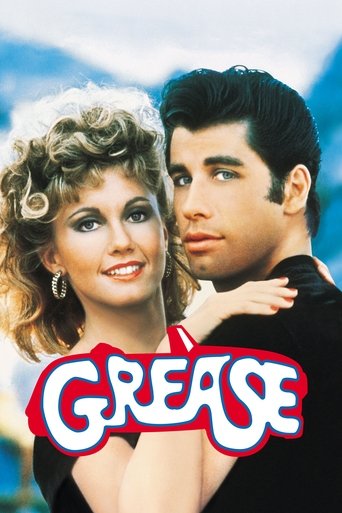
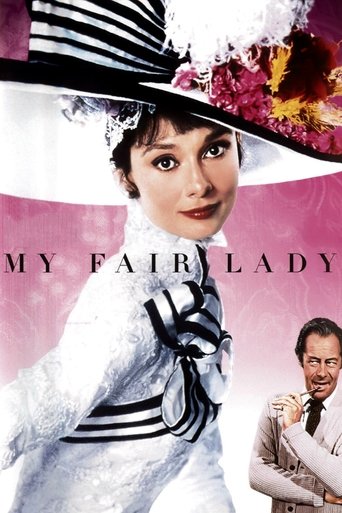
Twenty-seven films turn feeling into song. Three come from the great age of the Hollywood musical: Singin' in the Rain, with Gene Kelly dancing through a downpour; My Fair Lady, in which Audrey Hepburn's flower seller is taught to speak like a duchess by Rex Harrison's professor, winner of eight Academy Awards; and Grease, the high-school romance of 1978 whose soundtrack is still played at every party.
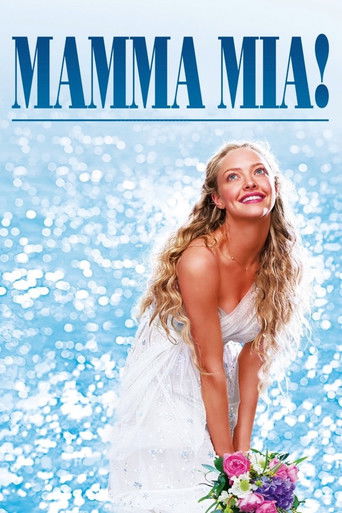
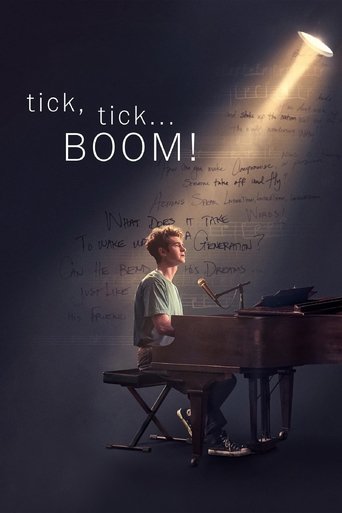
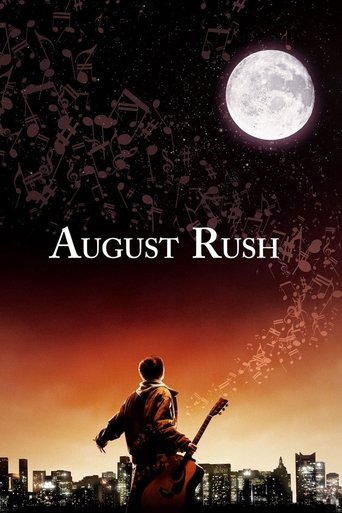
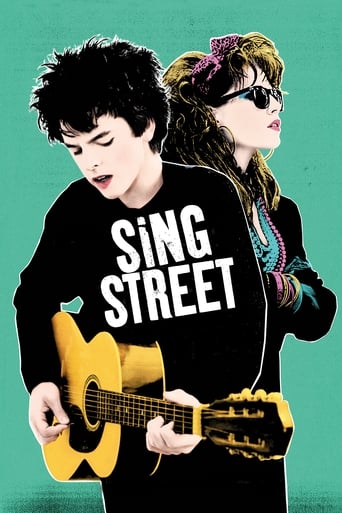
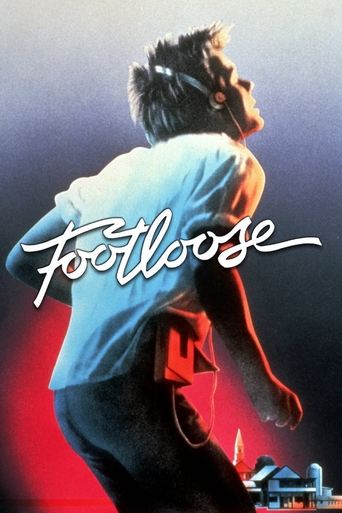
The modern musical takes many forms. Mamma Mia! and its sequel set a family story to the songs of ABBA. tick, tick... BOOM! stages a young composer's race to finish his first show before he turns thirty. Sing Street forms a band in a Dublin school, August Rush follows a boy who hears music in the noise of the city, and Florence Foster Jenkins honours a singer whose enthusiasm outran her pitch. The Step Up films, Feel the Beat and Footloose speak through dance. The music page has the programme.
Young love
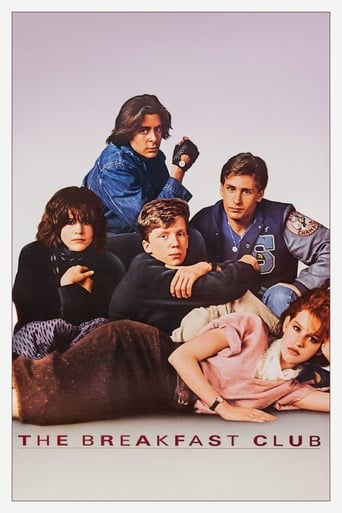
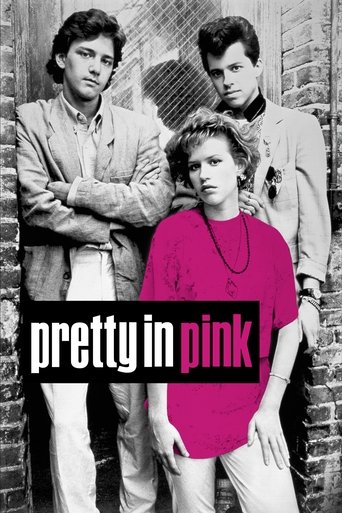
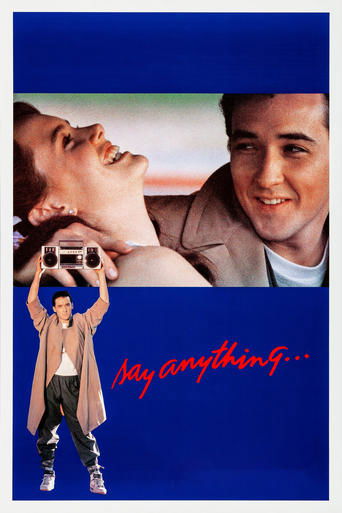
Thirty-eight films are about the first time the heart is engaged, and the 1980s set the pattern. The Breakfast Club is as much about affection as rebellion. Pretty in Pink, written by John Hughes, gives Molly Ringwald a prom dress she sews herself and a choice between two admirers. Say Anything..., Cameron Crowe's first film as director, contains the most imitated gesture in the genre: John Cusack beneath a window with a portable stereo held over his head.
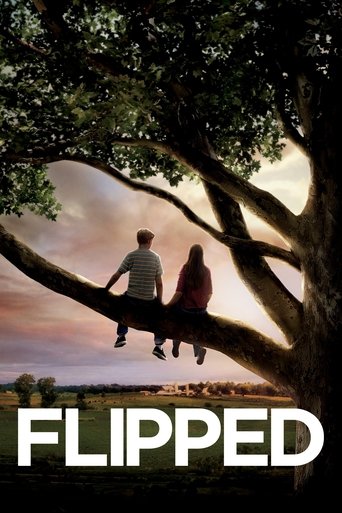
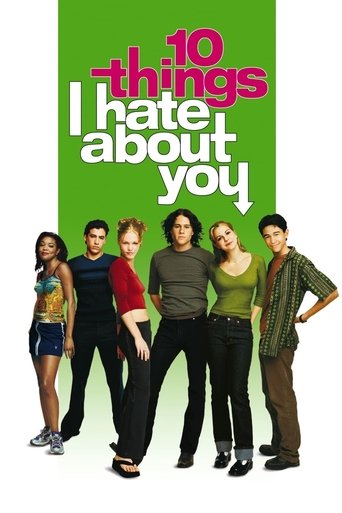
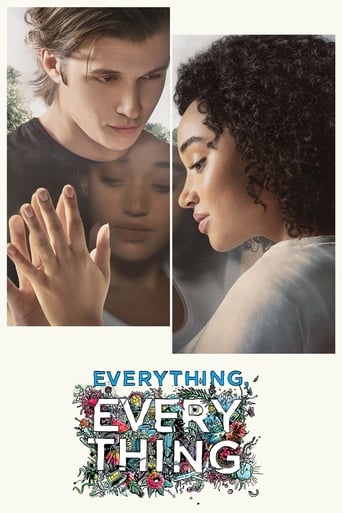
Later decades found new settings. 10 Things I Hate About You hides a sonnet inside a school comedy. Flipped tells one childhood romance from both sides of the street. A Cinderella Story and Another Cinderella Story move the ball to a school dance, Everything, Everything gives a sheltered girl a reason to go outside, and The Last Song spends a summer on the Georgia coast.
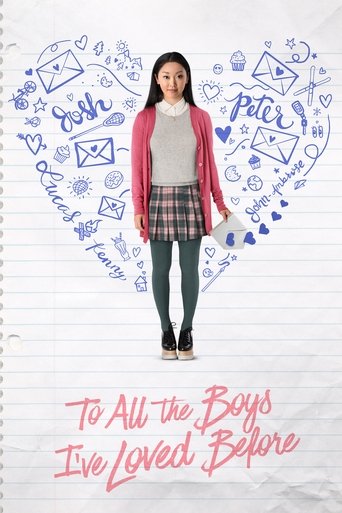
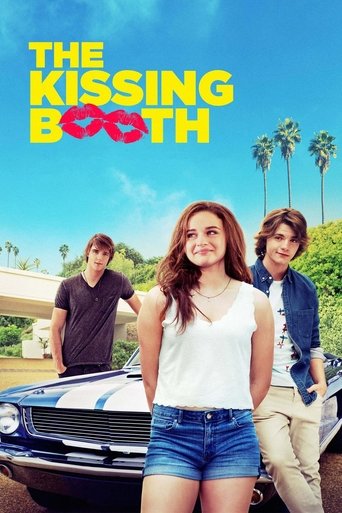
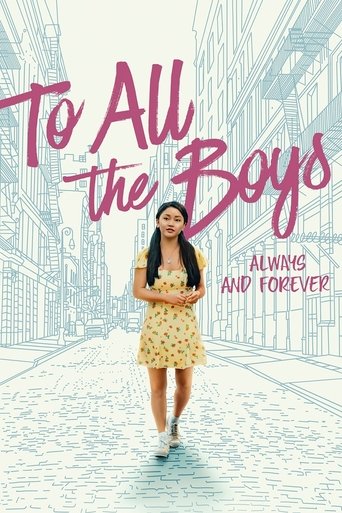
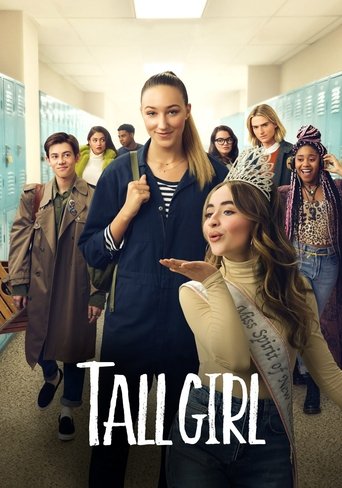
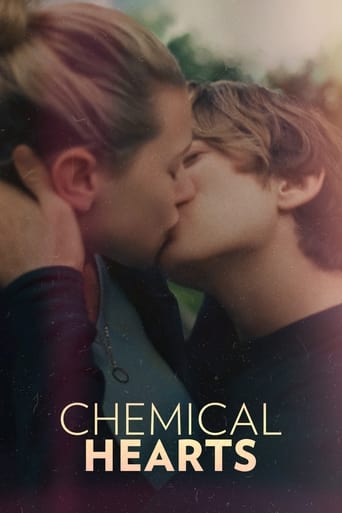
Streaming made the teenage romance a phenomenon again. To All the Boys I've Loved Before and its two sequels turned Lara Jean's box of letters into a trilogy, the three Kissing Booth films did the same for Elle, and Tall Girl, The Perfect Date, Sierra Burgess Is a Loser and Chemical Hearts found large audiences at home. Eighth Grade and Like Crazy are quieter and more truthful about how those years feel. The young love page follows the genre through four decades.
Weddings
Twenty-three films lead to an aisle. Some see the day from the guest's seat, like Four Weddings and a Funeral and 27 Dresses; some from the planner's clipboard, like The Wedding Planner; and some from the bride's second thoughts, like Runaway Bride and My Best Friend's Wedding. Father of the Bride belongs to the man who pays for it all.
Families are the real subject of the best wedding films. My Big Fat Greek Wedding and its sequel surround a shy bride with relatives who express love through food and advice. Mamma Mia! invites three possible fathers to a Greek island, Crazy Rich Asians measures a fiancée against a dynasty, and You Again and The Wedding Date reopen old school rivalries on the eve of a ceremony. The weddings page covers the shelf.
From the page
Forty-one films began in print. The nineteenth-century novel is represented by Thomas Hardy's Far from the Madding Crowd, and the twentieth by Truman Capote's Breakfast at Tiffany's, softened and brightened for the screen. Tracy Chevalier's Girl with a Pearl Earring imagines the maid who sat for Vermeer, with Scarlett Johansson and Colin Firth, in images that look like the painter's own.
The stage gave the cinema My Fair Lady, from the play by George Bernard Shaw, and Shakespeare stands behind 10 Things I Hate About You. Memoirs supply Julie & Julia, Eat Pray Love and Lion, and popular fiction of the last twenty years has provided One Day, Crazy Rich Asians, Wonder, The Art of Racing in the Rain and the novels behind most of the teenage romances. The page on books and plays names the authors.
Journeys
Forty-five films send their characters somewhere, and the destination is often half the pleasure. Rome appears in Roman Holiday, To Rome with Love and When in Rome; Vienna and Paris in the Linklater films; the Greek islands in Mamma Mia!; Italy, India and Bali in Eat Pray Love. The Hundred-Foot Journey settles an Indian family in a French village, and Falling Inn Love hands a city designer a country inn in New Zealand.
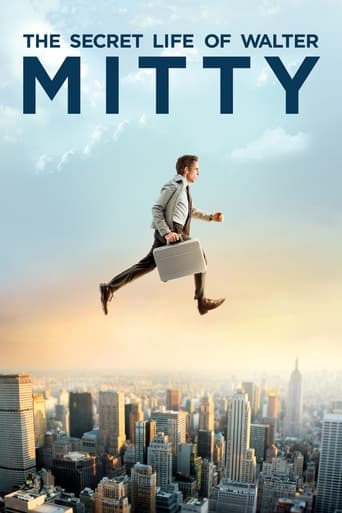
Others take the road. Little Miss Sunshine crosses the American Southwest in a van with a failing clutch, Rain Man drives from Cincinnati to Los Angeles because one passenger declines to fly, and The Peanut Butter Falcon drifts down the Carolina coast on a raft. The Secret Life of Walter Mitty reaches Greenland and the Himalayas, and Lion finds one small railway station in the whole of India with the help of a satellite map. The journeys page charts the routes.
The classics
Fifteen films date from before 1990, and they are the foundation of the catalogue. Citizen Kane and All About Eve show the studio system at its most ambitious. Roman Holiday, Singin' in the Rain, Breakfast at Tiffany's and My Fair Lady cover the years when stars like Audrey Hepburn and Gene Kelly could carry a film on charm alone. Grease closes the 1970s.
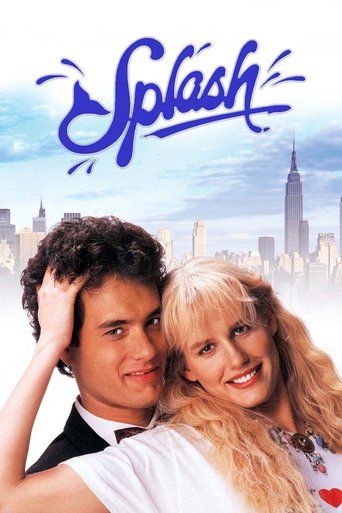
The 1980s contribute Rain Man, Big, Splash, Working Girl, The Breakfast Club, Pretty in Pink, Say Anything... and Footloose, a decade of bright ideas and sincere young heroes. Watching them now is a reminder that a good story needs very little decoration. The classics page lists them by date.
Three decades of modern romance
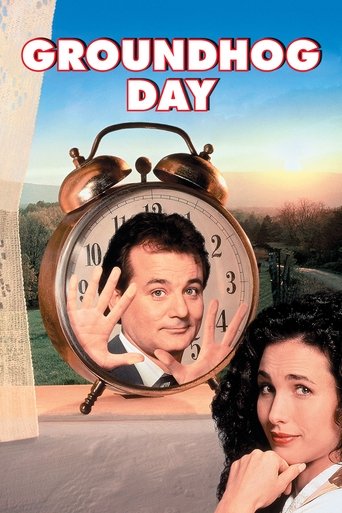
The sixteen films from the 1990s belong to the last great age of the star-driven romantic comedy. Julia Roberts, Hugh Grant, Sandra Bullock and Meg Ryan could open a film on their names, and writers such as Richard Curtis gave them lines worth saying. Four Weddings and a Funeral, While You Were Sleeping, My Best Friend's Wedding, The Wedding Singer, Notting Hill, Runaway Bride and 10 Things I Hate About You all date from these years, as do Before Sunrise, Selena and Groundhog Day, a comedy whose hero must become worthy of love before the calendar will let him go.
The forty-six films from the 2000s widened the field. Literary adaptations and true stories came to the fore with A Beautiful Mind, Girl with a Pearl Earring, Ray and Julie & Julia. The romantic comedy stayed strong with Serendipity, Maid in Manhattan, Hitch, The Holiday, 27 Dresses and Mamma Mia!, and independent cinema produced Little Miss Sunshine and Before Sunset, which reunites its two talkers in a Paris bookshop nine years on.
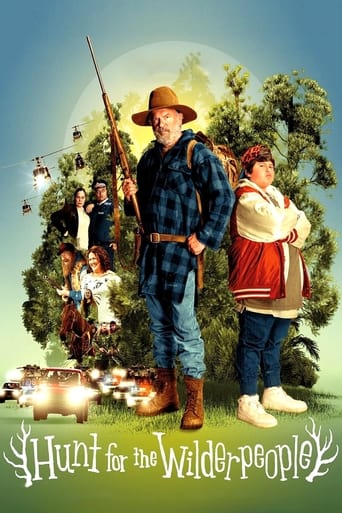
The seventy-seven films from the 2010s form the largest group. They include the prestige dramas The Social Network, Lion, Moneyball and Steve Jobs; the crowd-pleasers Crazy Rich Asians, Wonder and The Hundred-Foot Journey; the independent gems Sing Street, Frances Ha, Paterson and Hunt for the Wilderpeople; and the first wave of streaming romances. The sixteen films of the 2020s, led by CODA, Past Lives, Belfast, King Richard, Elvis and A Complete Unknown, show that both genres are in good health.
Stars to follow
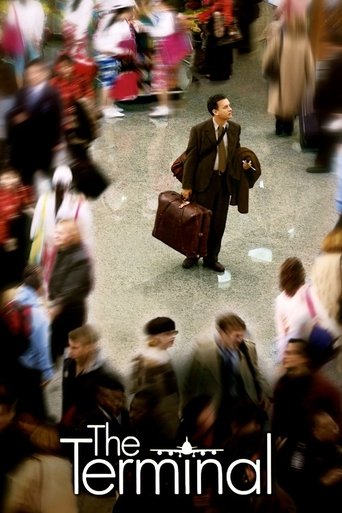
Following a performer is an easy way through the shelves. Julia Roberts leads with six films: Notting Hill, Runaway Bride, My Best Friend's Wedding, Eat Pray Love, Larry Crowne and Wonder, a span that runs from the queen of the romantic comedy to the mother of a remarkable boy. Tom Hanks and Hugh Grant have five each. Hanks ranges from the wide-eyed hero of Big and Splash to the stranded traveller of The Terminal and the manager in Elvis; Grant from the stammering suitor of the 1990s to the devoted husband of Florence Foster Jenkins.
Audrey Hepburn appears three times, in Roman Holiday, Breakfast at Tiffany's and My Fair Lady, and those three films alone would justify her legend. Rachel McAdams is the heart of About Time, The Vow, The Time Traveler's Wife and Morning Glory. Amy Adams, Scarlett Johansson, Reese Witherspoon and Jennifer Lopez have four films each, and Meryl Streep, Anne Hathaway, Kate Winslet and Amanda Seyfried three.
Among the men, Russell Crowe, Brad Pitt, Dev Patel, Ethan Hawke and Ryan Gosling each anchor a major drama or romance, and a younger generation, Noah Centineo, Jacob Elordi, Lana Condor and Joey King, carries the streaming films. The stars page continues the list.
Behind the camera
A hundred and fifty-five directors made the 170 films. Garry Marshall and Lasse Hallström have three each. Marshall was the dean of the ensemble romance, with Runaway Bride, Valentine's Day and The Princess Diaries 2: Royal Engagement; Hallström brings a gentle hand to Hachi: A Dog's Tale, A Dog's Purpose and The Hundred-Foot Journey. Ron Howard, Kenneth Branagh, Roger Michell and Andy Tennant have two apiece.
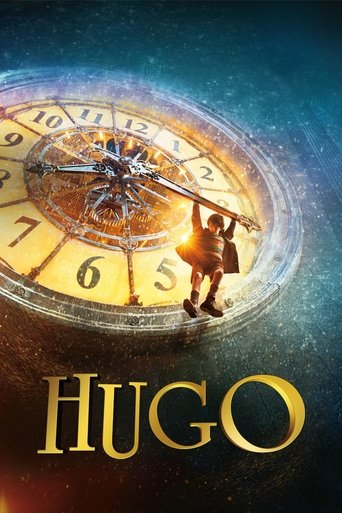
Many celebrated filmmakers are represented by a single title: Orson Welles, Joseph L. Mankiewicz, William Wyler, Stanley Donen and Gene Kelly, Blake Edwards, George Cukor, Barry Levinson, Mike Nichols, Cameron Crowe, Harold Ramis, David Fincher, Martin Scorsese with Hugo, Steven Spielberg with The Terminal, Jim Jarmusch, Alexander Payne, Noah Baumbach, James Mangold and Baz Luhrmann. Richard Linklater's two films are a single continuing work.
Women directors are well represented in the recent titles. Nancy Meyers made The Holiday and What Women Want, Nora Ephron Julie & Julia, Penny Marshall Big, Drew Barrymore Whip It, Sian Heder CODA, Celine Song Past Lives, and Anne Fletcher, Susan Johnson and Nisha Ganatra several of the romantic comedies. The directors page introduces the main names.
Ambition, work and talent
A surprising number of these films are about people who are very good at something. A Beautiful Mind and The Man Who Knew Infinity make mathematics dramatic. Moneyball and Air find suspense in negotiation, Steve Jobs in three product launches, and The Social Network in a deposition room. Morning Glory is set in the control room of a breakfast programme, Up in the Air in airport lounges, and Working Girl in the offices of a Wall Street firm.
Craft is celebrated just as warmly. Julie & Julia and The Hundred-Foot Journey are love letters to cooking. Girl with a Pearl Earring shows a painter grinding his own colours. Big Eyes is about the right to sign one's own work, Hitchcock about the nerve it takes to make something new, and The Fall Guy about the stunt performers whose names rarely reach the poster. In Whip It a small-town teenager discovers roller derby, and in Trouble with the Curve an ageing baseball scout proves that experience still counts.
Letters, diaries and second chances
Romance has always relied on the written word, and many of these films turn on a letter. The trilogy that begins with To All the Boys I've Loved Before is set in motion when five private love letters are posted. The Lake House is conducted entirely through a mailbox, and Like Crazy keeps a long-distance couple together with messages across an ocean. Julie & Julia is built from a blog and a memoir, and One Day reads like twenty diary entries.
The second chance is the other great device. Sweet Home Alabama, Home Again, Larry Crowne, Second Act and Jersey Girl all begin after something has ended and ask what comes next. Groundhog Day gives its hero unlimited attempts at one day, About Time a more modest supply, and Big lets a boy try adulthood and choose childhood. In Phenomenon and The Upside, an unexpected change in a man's life opens him to friendship. These stories are popular for a simple reason: everyone would like to believe that the next chapter can be better than the last.
Loyal companions
A small group of dramas is about the love between people and animals, and they are among the best rated in the catalogue. Hachi: A Dog's Tale retells the Japanese story of an Akita who kept faith with his owner at a railway station. A Dog's Purpose and A Dog's Way Home are told from the dog's side, The Art of Racing in the Rain gives a racing driver's golden retriever the role of narrator, and Togo honours the sled dog who led the most dangerous stretch of a famous Alaskan relay.
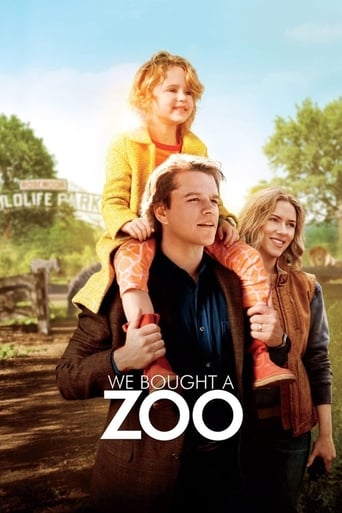
We Bought a Zoo and The Horse Whisperer show families healing through the care of animals, and Water for Elephants finds tenderness in a travelling circus. These films earn their tears honestly, and they are a good choice when an evening calls for something heartfelt that the whole household can share.
Dramas for the family
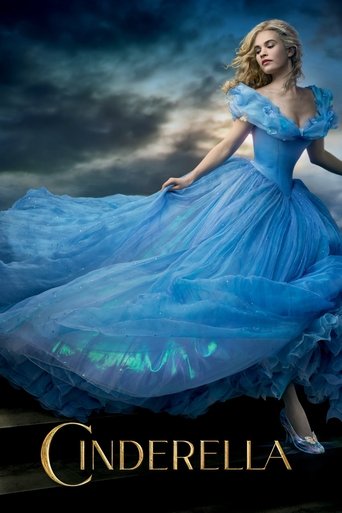
Twenty films carry the family label, and they are the ones to choose when younger viewers are in the room. Wonder is the outstanding example, a story about kindness that speaks to its audience as equals. Hugo turns the early history of cinema into an adventure in a Paris station. Cinderella is a faithful and generous telling of the fairy tale, August Rush a fable about a musical child, and The Odd Life of Timothy Green a gentle fantasy about parenthood.
The school musicals, High School Musical and its third chapter, Starstruck and Lemonade Mouth, are light and tuneful. The Sisterhood of the Traveling Pants follows four friends through their first summer apart, What a Girl Wants sends a New York teenager to find her English father, and Miracle on 34th Street asks a courtroom to rule on Santa Claus. All of them treat young people's feelings as seriously as any adult drama does.
Double bills
Some films are best seen in pairs. Before Sunrise and Before Sunset are the obvious example, nine years apart in the making and in the story. Roman Holiday and Notting Hill tell the same tale from opposite sides. Steve Jobs and Jobs portray one man twice, and Ray, Elvis and A Complete Unknown make a triple bill on the making of American popular music.
Other pairings are thematic. My Fair Lady and Working Girl both follow a woman who changes her voice to change her station. Citizen Kane and The Social Network are portraits of young media founders seventy years apart. Singin' in the Rain and Hugo look back fondly at the birth of the movies, and Flipped with Past Lives shows a childhood attachment at its beginning and a quarter of a century later.
A film for every mood
The shelves can be read by mood as well as by genre. For comfort, try Notting Hill, The Holiday or Julie & Julia. For a good cry, Hachi: A Dog's Tale, The Vow and Lion are dependable. For something to talk about afterwards, Past Lives, Citizen Kane and All About Eve reward the conversation. For a lift on a grey day, Mamma Mia!, Sing Street and Crazy Rich Asians rarely fail.
For an evening with teenagers, 10 Things I Hate About You, To All the Boys I've Loved Before and The Breakfast Club bridge the generations nicely. For parents and younger children together, Wonder, Hugo and Cinderella are the place to start. And for a quiet night alone, Paterson, Frances Ha and Before Sunrise are the cinematic equivalent of a long walk.
The top rated shelf
Thirty-seven films hold a place on the top rated shelf, which gathers titles with an average of seven and a half or above from at least five hundred viewers. Five share the highest score: Singin' in the Rain, All About Eve, Wonder, Togo and The Art of Racing in the Rain. Just behind them stand Citizen Kane, Before Sunrise, Lion, Flipped and Hachi: A Dog's Tale.
The next group includes About Time, A Beautiful Mind, CODA, Roman Holiday, The Boy Who Harnessed the Wind, Sing Street, Before Sunset, Rain Man, Selena, Past Lives and Little Miss Sunshine. The home page opens with a numbered top ten taken from this shelf, since it is the quickest route to a film that a great many people have loved.
Cities made for romance
Certain cities have been filmed so lovingly that they feel like characters. Rome in Roman Holiday is a place of scooters, fountains and a stone mouth that tests the truthful. Vienna in Before Sunrise is a maze of tramlines, record shops and a giant wheel at dusk, and the Paris of Before Sunset is a single unbroken afternoon along the Seine. London is rainy, bookish and kind in Notting Hill and About Time, and Dublin in Sing Street is a grey harbour brightened by a borrowed video camera.
New York changes with the decades: glamorous in Breakfast at Tiffany's, ambitious in Working Girl, wintry and hopeful in Serendipity, and seen through an immigrant's eyes in Past Lives. Chicago hosts While You Were Sleeping and The Vow, Los Angeles The Holiday and Valentine's Day, and Singapore glitters in Crazy Rich Asians. Small towns matter just as much, from the Alabama of Reese Witherspoon's homecoming to the Massachusetts harbour of CODA.
Best friends and scene-stealers
A romance is only as good as the people standing next to the couple. Notting Hill owes much of its charm to its dinner-party friends and a certain Welsh flatmate. Four Weddings and a Funeral is really the story of a circle of friends, My Best Friend's Wedding gives its warmest moments to a loyal confidant played by Rupert Everett, and 27 Dresses and Bride Wars understand that a best friend can be both an ally and a rival.
Dramas depend on their supporting players too. In CODA it is a music teacher who hears what a girl could become; in Wonder a head teacher and a handful of classmates; in Sing Street an older brother with a record collection and strong opinions. Little Miss Sunshine gives every member of its cast a moment of grace, and Belfast is carried as much by its grandparents as by its young hero. Watching for these performances is one of the pleasures of returning to a favourite film.
Parents and children
Many of the dramas here are, at heart, about what one generation owes another. King Richard shows a father with a plan for his daughters and the stubbornness to follow it. Father of the Bride finds comedy and a lump in the throat in a father letting go. Jersey Girl and Life As We Know It follow adults who become parents sooner than they planned, and We Bought a Zoo a widowed father who moves his children somewhere extraordinary to begin again.
The view from the child's side is just as moving. Lion is a son's search for the mother he was separated from at five. The Boy Who Harnessed the Wind is a boy's gift to his farming family. Flipped contrasts two households on the same street, Everything, Everything and The Last Song show daughters stepping out from a parent's protection, and Nebraska lets a grown son discover who his father used to be. These are films to watch with the people who raised you, or with the people you are raising.
Winter and Christmas romances
Romance and the cold months go together. The Holiday is the modern favourite, with its swapped houses and its village pub. While You Were Sleeping takes place between Christmas and the new year in a snowy Chicago. Serendipity begins in a department store in December, Love Hard sends a Los Angeles writer to a small town for the holidays, The Knight Before Christmas drops a medieval knight into an Ohio winter fair, and Four Christmases makes a couple visit four family gatherings in a day.
The Family Stone and Miracle on 34th Street are the dramas of the season, one about a son bringing his fiancée home, the other about a little girl deciding whether to believe. A blanket, a hot drink and any of these films make a fine evening from November to February.
New voices
Some of the most admired films in the catalogue are first or second features. Celine Song drew on her own life for Past Lives. Sian Heder's CODA was made on a modest budget and went on to win the highest prize in the industry. John Carney turned his Dublin schooldays into Sing Street, and Bo Burnham's Eighth Grade captured the inner life of a thirteen-year-old with rare accuracy. The Peanut Butter Falcon and The Kings of Summer came from young directors with little more than a good script and a river or a patch of woods to film in.
Their success is a reminder that romance and drama are the genres in which a new filmmaker can still make a mark with people and words alone. Flixer keeps these smaller films on the same shelves as the famous ones, so that a viewer who comes for Notting Hill may leave having found something new to love.
The same is true of the classics. Orson Welles was twenty-five when he made Citizen Kane, his first film, and Audrey Hepburn was a newcomer when Roman Holiday made her a star. Every era has its beginners, and the shelves of Flixer are a good place to watch them arrive.
Gene Kelly, by contrast, was at the height of his powers when he co-directed Singin' in the Rain, and the confidence shows in every frame; beginners and masters sit side by side here, which is how a good film collection ought to be arranged.
The look of Flixer
Flixer is near black with one strong red. The name stands at the top left in bold red capitals, followed by a row of links, a search field and a red My List button, on a bar that stays in place as the page scrolls. The home page opens on a wide still from a featured film, with the title in large white letters, a green score, and two buttons: a white one for Details and a grey one for My List.
Below it comes a numbered row, the top ten, with large outlined numerals beside each poster. Further rows follow, one for each main shelf, and each can be scrolled sideways. Posters have softly rounded corners, and under each stand the title, a green percentage score and the year. On a telephone the links fold into a menu behind a three-line button. Film pages place the poster beside the facts, with the Watch now button and the country selector directly under the title, followed by the cast with photographs, the director and related films.
Finding a film
There are four ways to reach a title. The search field answers as you type and accepts a title, a name or a word such as wedding, Paris or piano. The links in the top bar lead to Movies, Romance, Drama, True stories, Music, Top rated and the A to Z list. Each row on the home page ends in an Explore all link showing the size of its shelf. And the A to Z page sets out all 170 films in alphabetical order. The finding titles page describes each route.
The seventeen shelves overlap on purpose. Mamma Mia! stands under Romance, Romantic comedy, Music, Weddings and Journeys; Lion under Drama, True stories, From the page and Journeys. Whatever the starting point, a mood, a decade or a favourite star, a good choice is a few taps away.
My List and Watch now
Every film page has an Add to My List button. Pressing it places the film in a personal row, which opens from the red button in the top bar. The row is kept in your browser on your own device, so it is ready each time you return on that device, and each saved film has a Remove button beside it. The list page can also save the row as a file, a handy way to move it to another computer or to plan a month of Friday nights. The My List page gives the details.
When a film is chosen, the Watch now button does the rest. Select your country from the fifteen offered and press the button. JustWatch opens on the page for that film and shows which subscription services include it, where it can be rented or bought, and any free services with advertising that carry it. Romances and dramas change homes often as licences move between services, which is why Flixer points to a source that is updated every day.
Where the information comes from
The 170 films were chosen by hand, and each summary was read before a title was admitted. Posters, stills, cast lists, running times and summaries come from TMDB, the community film database, and the percentage shown under each poster is the TMDB average expressed out of a hundred; every film in the catalogue has been rated by more than a thousand viewers. The guide you are reading and the help pages were written for Flixer by its own editorial team.
A short glossary
A few terms recur in this guide. A romantic comedy, often shortened to rom-com, is a love story told for laughs. A biopic is a drama based on a real person's life. An ensemble film shares its story among many characters, as Valentine's Day does. A two-hander rests on two performers, like the Linklater films. An adaptation is a film based on a book or play, and a coming-of-age story follows a young person across the threshold of adult life.
A plan for fourteen evenings
For a newcomer, here is one way to spend two weeks. Open with Roman Holiday, Notting Hill and Before Sunrise, three ways of telling the same enchantment. Add the laughter of Four Weddings and a Funeral and the songs of Singin' in the Rain. Give an evening to A Beautiful Mind and another to Rain Man.
In the second week, try the true stories of Lion and The Social Network, the first loves of Flipped and 10 Things I Hate About You, and the music of Sing Street. Keep Wonder for a night when the family is together, watch CODA with a box of tissues to hand, and finish with Past Lives. By then you will know which shelf is yours, and the row of films to come back to will fill itself.
Questions and answers
The questions below are those most often asked about Flixer, with short answers. Fuller help is on the help pages named throughout this guide, including the how to watch page.
Questions
What is Flixer?
Flixer is a guide to 170 romances and dramas made between 1941 and 2025, each with its cast, its director and a Watch now button to official services.
Which film should I watch first?
Start with Notting Hill or Roman Holiday for romance, A Beautiful Mind or CODA for drama, and Singin' in the Rain for a musical.
Is the catalogue suitable for families?
Yes. Every summary was read by hand, and the selection favours warm, hopeful stories for a mixed audience.
How many true stories are there?
Thirty, from The Social Network and Moneyball to Selena, Lion and A Complete Unknown.
How old are the films?
Fifteen date from 1941 to 1989, sixteen from the 1990s, forty-six from the 2000s, seventy-seven from the 2010s and sixteen from the 2020s.
Which actors appear most often?
Julia Roberts leads with six films, followed by Tom Hanks and Hugh Grant with five each.
How does My List work?
Press Add to My List on a film page. The row lives in your browser, and the list page can save a copy as a file.
Does Flixer host films?
Flixer is a guide only. Every Watch now button opens JustWatch, which lists the official streaming, rental and purchase services for your country.
